
We may earn money or products from the companies mentioned in this post.
Research date: November 21, 2026. Prices below are the US prices shown on official provider pages that day. They aren’t guaranteed checkout totals, and promotions change often.
This guide is for education only. It isn’t medical advice, and no consumer test replaces care from your own clinician.
After 50, many people want to check cholesterol, blood sugar, or nutrient levels between doctor visits. The confusing part is the term “at-home.” It can mean a kit you use yourself, a home visit, or an online order followed by a drive to a lab.
We compared five US services: SiPhox Health, Superpower, LetsGetChecked, Labcorp OnDemand, and OmegaQuant. We didn’t buy kits or test accuracy ourselves. Our research drew on official product pages, policies, and guidance from the USPSTF, the American Heart Association, and the NIH.
The short answer is that no single service fits everyone. The best choice depends on the question you want answered. It also depends on whether you can safely collect blood yourself and what your second test will cost.
Price, collection method, and membership: the five services side by side
| Provider | Collection | Starting price | Membership | Main benefit | Key caveat |
|---|---|---|---|---|---|
| SiPhox Health | Self-collected upper-arm sample, mailed to a lab | $124 plus shipping ($99 new-customer offer also shown) | Recurring plan advertised | Scheduled home retesting with a trend dashboard | Excludes NY and HI; Alaska unclear |
| Superpower | Draw at a partner lab | $199 per year ($179 Black Friday offer shown) | Annual membership | 100+ markers from one yearly draw | Retests cost extra; state lists conflict |
| LetsGetChecked | Home self-collection kit | $89 cholesterol; $99 Diabetes and Heart | Single kits offered | Focused heart and blood sugar checks | State and repeat-plan terms unverified |
| Labcorp OnDemand | Draw at a Labcorp location | $29 CBC; $39 HbA1c; $59 lipid panel | None for single tests | Buy only the tests you need | Not home collection |
| OmegaQuant | Finger-prick dried blood spot | $54.95 Basic | One-time purchase available | Omega-3 Index results | Not a general health screen |
Ordering a blood test online isn’t the same as collecting blood at home
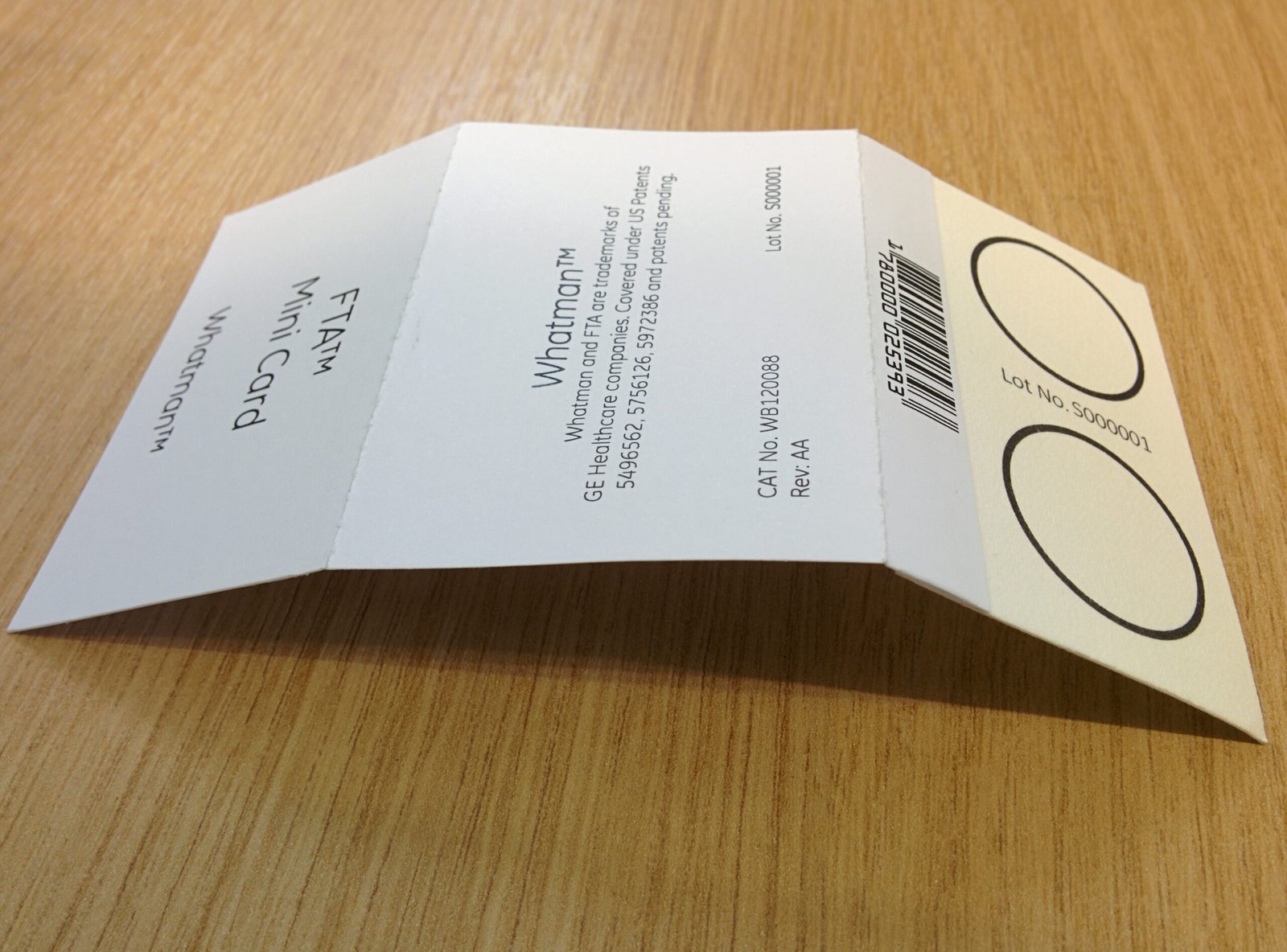
Every service here lets you order online, but only some let you skip a lab. Each one falls into one of three groups:
- Self-collection: You collect a small sample from a fingertip or upper arm and mail it to a lab. SiPhox, LetsGetChecked, and OmegaQuant work this way.
- Mobile phlebotomy: A trained phlebotomist visits your home and draws blood from a vein. Superpower mentions home draws, but we couldn’t confirm a current fee or which ZIP codes qualify.
- Online order, lab draw: You pay online, then visit a lab in person. Labcorp OnDemand uses this model, and so does Superpower’s standard membership.
Self-collection saves a trip but puts the work on you. A small sample can fall short or arrive in poor condition. Some ordered markers may come back without a result.
It also isn’t safe for everyone. LetsGetChecked’s product page cautions people with conditions that affect healing or circulation, including peripheral neuropathy. If that describes you, talk with your clinician before choosing any self-collection kit.
SiPhox Health: scheduled upper-arm testing you collect at home
- Tests: Panels include Longevity Essentials, Heart & Metabolic, Thyroid Focus, Hormone Focus, and larger expanded options. Essentials advertises 25 biomarkers, including HbA1c, lipids, ApoB, and ApoA1. Part of that count is ratios and estimated values rather than separate lab measurements.
- Collection: The EasyDraw device collects blood from your upper arm, and you mail the sample to a lab.
- Price: The main landing page shows $124 plus shipping. Another official page advertises $99 for new customers, then $124 plus $25 shipping.
- Commitment: The landing page says there’s no lock-in, but SiPhox’s provider-program page mentions a six-month website membership. Confirm the terms at checkout.
- States: The consumer policy excludes New York and Hawaii. A separate official page says EasyDraw doesn’t ship to Alaska, so Alaska eligibility is unresolved.
- Repeat testing: You can choose monthly, quarterly, or every-six-months testing.
- Results: SiPhox states 7 to 10 days but doesn’t clearly say when that clock starts. Results appear in a dashboard with personalized insights and wearable connections.
SiPhox’s main strength is routine. With a home device on a set schedule, you can watch a few markers over time without booking lab visits.
The refund policy is the biggest drawback. Since a February 2, 2026 update, SiPhox gives no refunds after a kit ships, and kits can’t be returned. Incomplete results don’t automatically qualify for a replacement, credit, or refund.
Choosing among overlapping panels can be confusing, and biomarker counts differ between SiPhox pages. SiPhox suits people who want to retest markers like ApoB or HbA1c several times a year from home. It’s a poor fit if you only need one test or live in an excluded state.
Superpower: a 100+ biomarker annual membership with one lab draw
- Tests: Superpower advertises 100+ biomarkers from one annual blood draw. Categories include heart, metabolic, hormone, thyroid, liver, kidney, and inflammation markers. Extra tests from its marketplace cost more.
- Collection: The standard membership uses a partner-lab draw. Home draws are mentioned, but we couldn’t verify a current fee or service area.
- Price: $199 per year, with a temporary $179 Black Friday promotion mentioned during research; confirm current pricing directly at checkout. A November 18, 2026 official comparison lists $399 per year in New York and New Jersey.
- States: Superpower’s FAQ excludes Alaska, Arkansas, Hawaii, Louisiana, Mississippi, North Dakota, Rhode Island, South Dakota, and Wyoming. Its homepage location list conflicts with parts of that list, so confirm your state before paying.
- Repeat testing: No routine follow-up retest is included. You can request more testing through the platform at added cost.
- Results: The FAQ says the annual panel takes about a week. You get a text when results are ready in the dashboard.
Superpower gives you a broad yearly baseline in one appointment. Its dashboard adds health scores, a biological-age estimate, AI tools, personalized planning, and care-team support.
The trade-offs are real, though. You commit for a year, retesting costs extra, and Superpower’s November 2026 pricing pages list a higher $399 annual price for New York and New Jersey. Do not assume direct-purchase membership fees are covered by insurance; check with the provider and your plan.
The biological-age estimate and health scores are vendor tools, not validated medical targets. Superpower fits people who want one wide snapshot each year and value ongoing support. If you only need to recheck one or two markers, it’s more than you need.
LetsGetChecked: focused heart and blood sugar kits you mail back
- Tests: The cholesterol test lists triglycerides, total cholesterol, HDL, LDL, HDL percentage, and Lp(a). The Diabetes and Heart test adds HbA1c. Older descriptions list fewer markers, so check your kit’s exact contents.
- Collection: You collect the sample at home and return it with a prepaid label. Follow your kit’s own preparation steps, since fasting rules can vary by test.
- Price: $89 for cholesterol and $99 for Diabetes and Heart, as shown in official product content. Single kits are available.
- States and repeat plans: LetsGetChecked’s help center failed to load during our research. We couldn’t verify test-specific state limits, subscription discounts, or refund terms.
- Results: Results arrive online about 2 to 5 days after the lab receives your sample. You can download reports to share with your clinician.
LetsGetChecked keeps things focused. Two common heart and blood sugar questions get answered from home without a yearly membership.
A cholesterol treatment consultation is advertised separately at $39, with medication extra. That’s a paid add-on, not part of the test. Consultation availability also varies by state and doesn’t tell you where kits ship.
This service suits people who want an occasional home check of lipids or HbA1c. It’s less suitable if you want long-term trend tracking across many markers. It also isn’t right if you can’t safely collect a fingertip sample.
Labcorp OnDemand: low-cost single tests at a Labcorp location
- Tests: The catalog lists individual tests and panels. Examples include CMP at $49, vitamin D at $99, and HbA1c plus cholesterol at $99. The Advanced Health Panel costs $399 and covers 65+ markers using blood and urine. These include ApoB, hs-CRP, insulin, thyroid markers, and ferritin.
- Collection: These blood tests are collected in person at a Labcorp location.
- Membership: None is required for individual purchases.
- Ordering: Independent authorized professionals order the tests for you. “No doctor’s visit” still means a medical order exists.
- States and limits: We couldn’t confirm product-specific state exclusions, reorder limits, or refund terms. The Advanced Health Panel lists eligibility for ages 18 to 100.
- Results: Results appear in the Labcorp Patient portal. The HbA1c and cholesterol combo lists one day after lab receipt with a 12-hour fast. The Advanced Health Panel lists 7 to 10 days and a 12 to 14 hour fast.
Labcorp’s biggest advantage is choice. You can buy a single $39 HbA1c test instead of a large panel when that’s your only question.
Labcorp may also contact you about certain concerning results. That’s a useful safety net for people testing outside regular checkups.
The obvious drawback is travel, since none of these blood panels are home kits. Labcorp fits occasional testers who live near a location and want standard lab draws without a subscription.
OmegaQuant: a finger-prick test for omega-3 status only
OmegaQuant’s Basic test measures the Omega-3 Index for $54.95, with a one-time purchase and free shipping displayed. The Plus version ($89.95) adds fatty-acid ratios and a Trans Fat Index. Complete ($109.95) adds a full fatty-acid profile.
You mail back a finger-prick dried blood spot, and most results arrive within seven business days after receipt. OmegaQuant’s return-policy language and FAQ have differed, including references to a money-back guarantee and restocking charges. Check the current written terms with OmegaQuant before ordering. We didn’t verify state-by-state availability.
For details on what the Basic test reports, see our OmegaQuant Omega-3 Index Basic review
Which biomarkers matter after 50, and what the evidence actually supports
Some markers have well-established clinical uses. Others carry claims that research hasn’t confirmed yet. Knowing the difference keeps you from paying for numbers that won’t change any decision.
Cholesterol and ApoB: established, but read in context
A lipid panel is a standard part of heart-risk assessment. The American Heart Association says results should be read alongside blood pressure, medical history, medications, and other risk factors.
ApoB counts particles that can carry cholesterol into artery walls. The AHA’s 2026 dyslipidemia guidance supports using ApoB selectively, but that doesn’t mean every repeat test needs it.
HbA1c: a blood sugar measure with clear screening guidance
HbA1c reflects average blood sugar over recent months. The USPSTF’s August 2021 guidance recommends diabetes screening for adults 35 to 70 with overweight or obesity.
After a normal result, rescreening about every three years can be reasonable. That schedule doesn’t apply to people already diagnosed with diabetes. It also shouldn’t be assumed for adults over 70.
Vitamin D: no routine screening recommendation
Turning 50 isn’t, by itself, a reason to test vitamin D. The USPSTF’s April 13, 2021 statement found too little evidence to weigh the benefits and harms. That applies to screening adults without symptoms.
That finding doesn’t mean the test never helps. Your clinician may order it for a specific medical reason.
Omega-3 Index: a nutrition marker with mixed outcome evidence
The Omega-3 Index shows your omega-3 status. Links between higher levels and health outcomes don’t prove that testing and chasing a target extends life.
The NIH describes mixed heart-health findings from supplement studies. It also separates prescription omega-3 treatment from ordinary supplements. Ask your clinician before changing what you take.
Scores, ratios, and “optimal” ranges
A measured marker is something the lab actually tested, like LDL. A ratio is calculated from two results, and a proprietary score is a company’s own formula.
Vendor “optimal” ranges and biological-age estimates aren’t diagnoses or proven treatment goals. That matters when comparing marker counts, since ratios and estimates can inflate the total.
How to avoid paying for blood tests you don’t need
Start with purpose, not panel size. A 25-marker panel isn’t better than a single HbA1c test if blood sugar is your only concern.
Next, add up the full cost. That includes shipping, state surcharges, renewal, and the price of your next test, not just the first order.
Your clinician may already order some of these tests through your insurance. Buying them separately could mean paying twice. Bring these questions to your next appointment:
- What decision would this result change?
- Could you order an equivalent test that my insurance or Medicare covers?
- Is self-collection safe for me, given my health conditions?
- How often should I repeat this test, based on my history?
- Will you review results from a consumer lab, and how should I share them?
- Which symptoms or results mean I need care right away rather than another kit?
Before checkout, also ask the provider who reviews abnormal or incomplete results and what that follow-up costs. Confirm your downloaded results will be easy to compare from one test to the next.
Common questions about at-home blood testing after 50
Are home-collected samples as reliable as a standard blood draw?
Our research didn’t find evidence that one method is clearly better for every marker. Home samples do carry a risk of collection problems. SiPhox openly states that some purchased markers may not be reportable.
Will insurance or Medicare pay for these tests?
Plan on paying out of pocket. None of the official pages we reviewed confirmed insurance or Medicare billing for these direct purchases. Tests your own clinician orders may be covered, so check with your plan.
Do I need a doctor’s order?
You usually don’t need your own doctor, but a medical order still exists. Labcorp OnDemand, for example, uses independent authorized professionals to order tests.
What happens if my sample fails or a result is abnormal?
Policies differ, so read them before buying. SiPhox doesn’t guarantee a replacement or refund for incomplete results. For abnormal results, contact your clinician rather than simply ordering another test.
Does a biological-age score tell me anything useful?
It can spark questions, but it isn’t a validated diagnosis or treatment target. Your clinician will focus on measured results like LDL and HbA1c, interpreted alongside your history.
Which at-home blood testing service fits your situation
These picks reflect service fit, not proof that one lab is medically superior.
Best for repeat home collection: SiPhox Health
SiPhox makes sense if you want to track markers like ApoB or HbA1c several times a year without a lab trip. Confirm your state, the commitment terms, and the strict refund policy first.
Best for a focused home check: LetsGetChecked
Choose LetsGetChecked if you want cholesterol or HbA1c answers from home without a membership. Confirm kit availability where you live and that self-collection is safe for you.
Best for comprehensive biomarker tracking: Superpower
Superpower suits people who want one broad annual baseline with a dashboard and support. Remember the membership includes one yearly draw, not unlimited retesting.
Best for occasional testing: Labcorp OnDemand
Labcorp is the most flexible pick if you live near a location and need a test or two between checkups. Paying per test keeps costs tied to real questions.
Best for targeted nutritional testing: OmegaQuant
OmegaQuant fits when omega-3 status is the specific question you and your clinician want answered. It doesn’t replace cholesterol, glucose, or general health checks.
For more single-provider breakdowns, see our OmegaQuant Omega-3 Index Basic review
Sources and review methodology
This article is an independent desk-based comparison, not a hands-on test or medical endorsement. We reviewed US product information and collection models, highlighted uncertainty about geographic access, and considered NIH, AHA, and USPSTF guidance. Prices refer to public offers observed November 21, 2026 and may change.
- SiPhox Health official website
- Superpower official website
- LetsGetChecked US testing catalog
- Labcorp OnDemand tests
- OmegaQuant Omega-3 Index
- USPSTF recommendations
- American Heart Association cholesterol information
- NIH Omega-3 fact sheet
This is educational information, not individualized medical advice. Discuss testing and results with a qualified clinician.